Flat Clearance Forest Gate: Sustainable Rubbish Area & Eco-Friendly Waste Disposal
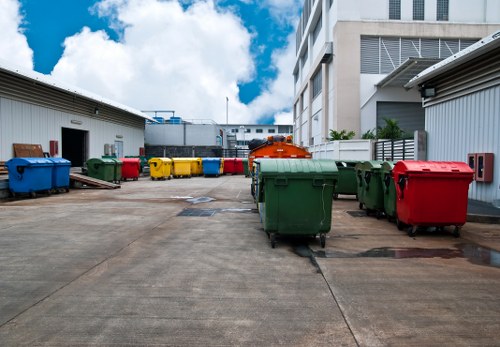 Our approach to Flat Clearance Forest Gate blends practical clearance work with a long-term commitment to an eco-friendly waste disposal area. We understand that a Forest Gate flat clearance project is more than hauling items away — it is an opportunity to divert materials from landfill, support local reuse and recycling networks, and reduce the carbon footprint of household clearances across the neighbourhood.
As a specialist in Forest Gate flat clearance and nearby borough collections, we follow local authority guidance on separation and sorting. In line with Newham and neighbouring boroughs' approaches to waste separation, we prioritise segregating dry mixed recycling, food and garden waste where applicable, and controlled disposal of residual materials. Our systems are designed so you can expect a clear, visible chain from doorstep removal to the sustainable rubbish area where items are reused, recycled, or responsibly processed.
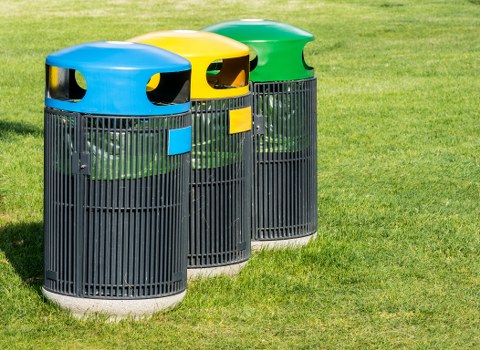 We set an ambitious recycling percentage target for every job: our current goal is to achieve at least 75% diversion of reusable and recyclable material from landfill on standard flat clearances in Forest Gate. That target is continually reviewed, and we report progress through internal tracking to ensure measurable improvement in how flat waste is handled across the local area.
Community Partnerships, Local Transfer Stations and Low-Carbon Vans
Partnerships are central to sustainable flat clearance in Forest Gate. We collaborate with local transfer stations and licensed waste transfer facilities across East London to ensure that materials arrive at the correct processing centres rather than being taken to mixed waste tips. These transfer stations enhance sorting quality and reduce contamination, allowing higher recycling rates for plastics, metals, cardboard and clean timber collected during a clearance.
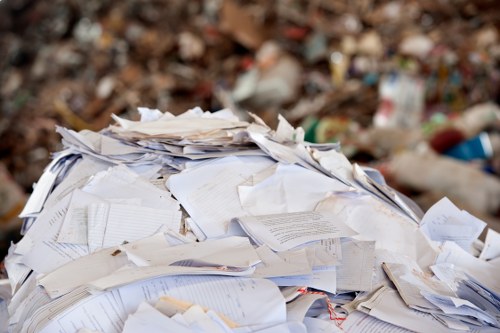 Our sustainable rubbish area strategy includes formal partnerships with charities and social enterprises that accept furniture, soft furnishings and household items in good condition. By working with donation partners and community reuse hubs, items that would otherwise be discarded are given a second life — supporting local families, reducing demand for new goods, and cutting embodied emissions associated with manufacturing replacements.
We also invest in a low-carbon fleet for Forest Gate clearance services. Our low-emission vans and carefully planned collection routes reduce fuel consumption and traffic time within the borough. Where possible we deploy hybrid or electric vehicles for shorter urban runs, and we optimise loads to minimise repeat trips. This reduces CO2 per job and contributes to a cleaner local environment.
Practical Recycling Activities & Borough Waste Separation
Typical recycling activity for a flat clearance in the area includes separate streams for:
- Paper and cardboard (flattened and bundled),
- Glass, cans and mixed plastics (sorted and delivered to specialist sorting),
- Electronics (WEEE) handled under >WEEE regulations with dedicated processing,
- Furniture and textiles assessed for reuse and sent to charity partners if suitable,
- Construction rubble and inert waste taken to licensed inert waste facilities for crushing and recovery where feasible.
These activities echo the boroughs' approach to waste separation — many local authorities, including Newham, emphasise capturing food waste for anaerobic digestion and strict segregation of mixed recycling to maintain quality. The result is a more circular approach to old household items removed during flat clearance.
 We maintain clear documentation for every collection, noting weight and destination for major material streams. This transparency helps in meeting our recycling percentage target and ensures that our Forest Gate flat clearance services remain accountable and steadily more efficient.
Our community-facing work also includes scheduled drop-offs at local transfer stations and collection points used by the boroughs. By coordinating with municipal calendars and transfer station operating hours, we reduce waiting times, limit double-handling and ensure that recyclable fractions are processed promptly. This coordination is particularly useful in high-density residential areas where time and space for sorting are limited.
 To support sustainable rubbish area goals across Forest Gate, we run internal training for teams on correct segregation, contamination reduction and rapid on-site decision-making (what can be donated, what must be recycled, and what requires specialist disposal). Training helps ensure that each Forest Gate clearance contributes to the wider municipal recycling targets.
Finally, our commitment extends beyond individual clearances: by promoting reuse via charity partnerships, using low-carbon vans, working with transfer stations and setting a measurable recycling percentage target, our flat clearance Forest Gate services aim to be part of a broader shift toward a resilient, circular local economy. We encourage clients to view a clearance not as waste, but as an opportunity to support sustainable waste management and reduce the environmental impact of moving on.
Key sustainability commitments:
- Recycling target: Minimum 75% diversion from landfill on typical clearances.
- Local infrastructure: Use of licensed transfer stations and borough-approved processing facilities.
- Charity partnerships: Furniture and usable items donated to local organisations when possible.
- Low-carbon transport: Hybrid and electric vans deployed for urban runs to reduce emissions.
- Compliance: Full adherence to waste regulations and proper WEEE and hazardous item handling.
By choosing an eco-friendly flat clearance in Forest Gate, residents support a sustainable rubbish area approach that benefits the whole community. Our continuous improvement plan ensures each clearance is greener than the last, helping the boroughs reach ambitious recycling and carbon reduction goals.