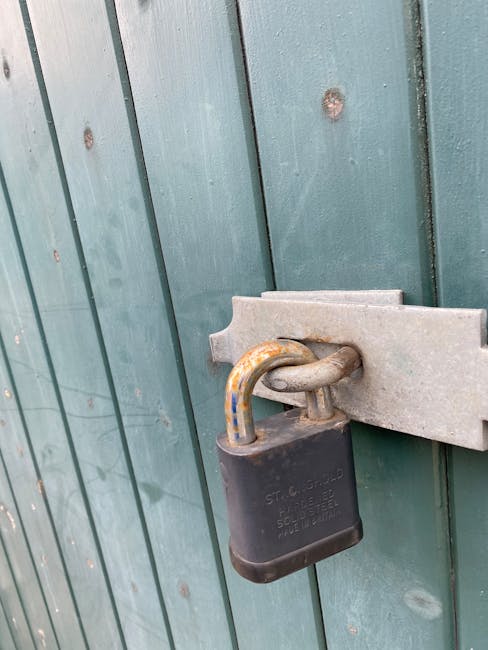
Key access problems for Forest Gate waste collection
If you have ever tried to organise waste collection on a tight street, up a narrow stairwell, or through a shared entrance, you already know the awkward bit is rarely the rubbish itself. It is the access. In Forest Gate, where homes, flats, side returns and busy parking conditions can all meet on the same job, key access problems for Forest Gate waste collection can slow everything down, increase the chance of missed items, and turn a straightforward clearance into a messy half-day. That is the part people often underestimate.
This guide breaks down what access problems actually look like, why they matter, and how to handle them without stress. You will also find practical steps, common mistakes, a checklist, and a realistic example from the kind of situation many local residents run into. Nothing fancy. Just the useful stuff.
Table of Contents
- Why Key access problems for Forest Gate waste collection Matters
- How Key access problems for Forest Gate waste collection Works
- Key Benefits and Practical Advantages
- Who This Is For and When It Makes Sense
- Step-by-Step Guidance
- Expert Tips for Better Results
- Common Mistakes to Avoid
- Tools, Resources and Recommendations
- Law, Compliance, Standards, or Best Practice
- Options, Methods, or Comparison Table
- Case Study or Real-World Example
- Practical Checklist
- Conclusion
- Frequently Asked Questions
Why Key access problems for Forest Gate waste collection Matters
Access sounds simple until you are standing in a Victorian conversion with a sofa that will not turn the corner. Or a first-floor flat where the only route is a narrow stairwell lined with bikes, prams and a mildly suspicious plant pot. Then the problem becomes obvious. Waste collection is not just about lifting items away; it is about getting people, equipment and waste out safely and efficiently.
In Forest Gate, the layout of properties can create all sorts of practical friction. Some buildings have tight communal hallways. Others have rear access that is shared, blocked, or only usable at certain times. A lot of streets are busy enough that loading has to be done quickly and carefully. Add in parking restrictions, neighbours, locked gates, or low-ceiling loft spaces, and the collection starts to depend on planning more than brute force.
This matters for a few reasons:
- It affects the final cost and timing. If access is difficult, crews may need more time or an adjusted crew size.
- It affects safety. Lifting heavy or awkward items through tight spaces increases the chance of damage or injury.
- It affects what can actually be removed. A job may be booked for a full clearance, but if the route is blocked, only part of it may be possible on the day.
- It affects neighbours and shared spaces. In flats, one obstructed corridor can create friction very quickly. Nobody wants that awkward knock on the door.
Truth be told, most access problems are not dramatic. They are just inconvenient, and inconvenience is enough to derail a clearance if it is not dealt with early.
How Key access problems for Forest Gate waste collection Works
The access question usually gets answered long before the van arrives, even if people do not think of it that way. A good clearance provider will try to understand the route from the waste to the vehicle: front door, hallway, stairs, lift, gate, driveway, rear alley, loading bay, or roadside parking. If the route is unclear, the job becomes guesswork. And guesswork is expensive.
Here is the practical chain of events.
- Initial description: You explain what needs removing and where it sits in the property.
- Access check: The provider asks where the team can park, how close they can get, whether there are stairs, and whether any keys or codes are needed.
- Risk spotting: Items such as fridges, mattresses, glass, or bulky furniture are flagged because they can be harder to move through tight spaces.
- Plan for the day: The crew decides whether one vehicle, two people, or a larger team is sensible.
- On-site removal: Waste is collected, loaded, and separated for reuse, recycling or disposal where appropriate.
A small delay here is normal. A blocked entrance, forgotten key or full permit bay, though, can snowball fast. By 10 a.m. a crew can be waiting outside, the client is juggling phone calls, and the hallway is full of items nobody can move. Not ideal.
If the clearance involves mixed household items, you may also need separate handling for special items. For instance, heavy white goods often need a dedicated approach, which is one reason people sometimes review fridge and appliance removal before booking. For large domestic jobs, a more general house clearance or home clearance can be a better fit than a one-off lift-out, especially where access is awkward from the start.
Key Benefits and Practical Advantages
Working around access problems is not just about avoiding problems. Done properly, it improves the whole collection experience. The benefits are practical, immediate, and honestly a bit relieving when you are the one staring at a packed flat.
- Less disruption: A clear access plan keeps hallways, stairs and shared entrances free for as short a time as possible.
- Better safety: Heavy lifting becomes more controlled when the route is known in advance.
- Fewer surprises: You are less likely to hear, "We can't get that out," after everyone has already arrived.
- Cleaner pricing: When access is understood, quotes tend to be more accurate.
- Higher completion rate: More of the waste is likely to be removed in one visit instead of being split across multiple appointments.
There is also a less obvious benefit: better communication. Once people start talking about access properly, they tend to think more clearly about the whole job. It sounds small. It is not.
For example, if a side alley is available only during certain hours, or if a loft hatch is too narrow for some items, those facts change the plan. A team may suggest a different route, a smaller loading method, or a service such as loft clearance if the upper space is the real bottleneck. If the issue is a single heavy item rather than a full room, furniture disposal may be the simpler choice.
Who This Is For and When It Makes Sense
This topic is relevant to a surprisingly wide group of people. If you are thinking, "That sounds like my building," you are probably right.
- Flat owners and tenants: Especially those in upper-floor properties, mansion blocks, converted houses, and buildings with shared entrances.
- Landlords and letting agents: Access often becomes urgent between tenancies, and the window is small.
- Homeowners with side access issues: Terraced homes can have excellent layouts indoors and terrible routes outside. Go figure.
- Businesses and offices: Rear loading, restricted lifts, and timed entry can complicate collections quickly.
- Builders and trades: Skips, rubble sacks and mixed builders' waste may need careful loading where access is tight.
If your waste is in a garage, shed, loft, basement or rear garden, access planning matters even more. A good example is a clear-out that starts in the garden but has to pass through a narrow kitchen extension. The route is the whole game. For outdoor jobs, garden clearance or garage clearance may be the most practical route.
It makes sense to sort this out early if you value time, safety and a straightforward finish. If you do not, you may still get there in the end, but with more hassle than it needed. And honestly, who wants that on a wet Thursday afternoon?
Step-by-Step Guidance
Here is a sensible process for dealing with access issues before waste collection day. Keep it simple and you will usually be fine.
- Map the route from waste to vehicle. Walk it properly. Do not just assume the obvious way is the usable way.
- Measure awkward points. Door widths, stair turns, lift sizes and low ceilings can matter more than you think.
- Check locks, keys and entry times. If a gate or communal door needs a code, make sure it is working and shared in advance.
- Remove loose obstacles. Shoes, bikes, plant pots, bins, folded furniture and "temporary" storage should be cleared from the route.
- Identify fragile surfaces. Stair rails, painted corners and communal flooring need protection, especially in older buildings.
- Flag special items. Mattresses, appliances, glass tables, and heavy desks can require a different lifting plan.
- Confirm parking and loading. If the vehicle cannot get close enough, the crew needs to know before arrival.
- Share the awkward truth. If there is a problem, say it. Better now than when someone is carrying a wardrobe halfway down a stairwell.
Here is the part people skip: imagine the items going out, not just coming in. A sofa that fits through the hallway on paper may still snag on a tight corner or low banister. If you can picture the movement in your head, you are much less likely to miss a problem. Slightly old-school, yes. Effective too.
For commercial sites, it can also help to think about waste streams separately. Office equipment, confidential paper, electrical items and general rubbish should not all be treated as one blob. If your job includes document-heavy clear-out work, confidential shredding may be useful. For general workplace waste, office clearance or business waste removal is often the more organised route.
Expert Tips for Better Results
These are the kinds of small things that make a surprisingly big difference on the day.
- Take photos of tricky access points. A picture of the stairwell, gate latch, alley or parking bay tells the story faster than a long explanation.
- Think in routes, not rooms. A room may be easy to empty, but the corridor outside may be the real challenge.
- Leave a little working space. Even 60 centimetres of extra room in a hallway can make carrying safer and faster.
- Expect weather to matter. Rain, ice and low light make outdoor carrying and loading harder than people expect. London mornings can be a bit grim, to be fair.
- Separate delicate from bulky. One fragile mirror does not need to be mixed in with a stack of broken furniture.
- Use service pages as a guide for the right type of job. If the property is full, a broader flat clearance or house clearance may be a smarter fit than a rushed ad hoc load.
One practical tip that comes up again and again: check the route at the same time of day as the collection if possible. A driveway that feels fine at 8 a.m. can become impossible once neighbours return, bins come out, and cars line the street. A little timing awareness saves a lot of grumbling.
Common Mistakes to Avoid
A lot of access issues are self-inflicted. Not in a harsh way, just through normal human optimism. "It'll be fine" is a lovely phrase until the wardrobe gets stuck.
- Underestimating item size: Measuring the item itself is not enough. You need to measure corners, bends and clearance space too.
- Forgetting about lift restrictions: Some lifts are too small, too slow, or not suitable for bulky items.
- Leaving access to the last minute: If the gate code is missing or the key is with someone else, the whole booking may stall.
- Ignoring shared-space etiquette: Stairwells and hallways in flats are communal areas. Leaving items there is more than rude; it can create complaints.
- Not flagging special waste: Fridges, appliances and certain materials may need separate handling and should not be treated casually.
- Assuming the cheapest quote is the best one: A low price that ignores access realities is not a bargain. It is just unfinished thinking.
Another common mistake is treating access as a single yes/no question. In reality, it is a chain of smaller yes/no questions. Can the crew park? Can they reach the entrance? Can they carry through the hall? Can they turn the landing? Can they get back out without damaging the walls? See how quickly it adds up?
Tools, Resources and Recommendations
You do not need specialist equipment to plan well, but a few simple tools help a lot.
- Tape measure: Useful for doorways, stair turns and lift openings.
- Phone camera: Photos of access routes are often worth more than a written description.
- Notebook or notes app: Keep track of codes, access times, parking details and contact names.
- Protective covering: Helpful for stairs, floors and door frames if items are tight to move.
- Labels or coloured tape: Good for separating items that will stay, go, recycle or require special handling.
For planning and expectations, a few site pages can be useful starting points. If you are unsure about scope or pricing, review pricing and quotes. If the job is about keeping material out of landfill where possible, the company's recycling and sustainability approach is worth understanding. If you are not sure whether certain items are acceptable in a mixed load, what can go in a skip is a useful reference point for the kind of separation decisions people often face.
Small note: if you have a fridge, sofa or mattress sitting at the end of a narrow hall, that one item may decide the whole plan. The right preparation is less about fancy tools and more about being honest about the space you actually have.
Law, Compliance, Standards, or Best Practice
Access problems are not only a practical issue; they also connect to safety, duty of care and sensible waste handling. In UK terms, you generally want waste to be moved, stored and transferred responsibly, with attention to safe lifting, property protection and correct handling of restricted materials. If a collection involves items that may be hazardous, bulky, sharp, heavy, or otherwise awkward, a cautious approach is the correct one.
For everyday readers, the best way to think about compliance is simple:
- Do not block communal entrances or fire routes.
- Do not place waste where it causes a hazard to neighbours or passers-by.
- Do not move items in a way that damages shared property.
- Separate items that need special treatment, rather than bundling everything together.
- Use a provider with clear safety and insurance practices.
If you are dealing with items that may need extra care, such as chemicals, paints, solvents or other unusual materials, hazardous waste disposal is the right page to check before anything is booked in. For peace of mind around operational standards, it also helps to read the company's health and safety policy and insurance and safety information. That is the kind of boring detail people ignore until they really, really wish they had not.
Best practice, in plain English, is this: be clear, be early, and be accurate. If the access is poor, say so. If the stairwell is tight, mention it. If the parking is awkward, mention that too. It is not admitting failure. It is preventing it.
Options, Methods, or Comparison Table
There is no single best method for every clearance. The right choice depends on the building, the waste type and the route in and out. Here is a simple comparison that may help.
| Method | Best for | Pros | Watch-outs |
|---|---|---|---|
| Standard waste collection | Simple access, lighter loads, clear parking | Quick, straightforward, usually efficient | Can struggle with tight stairways or bulky furniture |
| Flat clearance | Flats, conversions, upper floors, mixed household items | Better for whole-property jobs and awkward routes | Needs a clear plan for communal access and carrying space |
| House clearance | Full homes, multiple rooms, lofts, basements | Good for larger projects and staged removal | Can take longer if the route is narrow or shared |
| Specialist item removal | Fridges, mattresses, sofas, awkward single items | Tailored handling for bulky or heavy pieces | Access measurements matter a lot |
| Builders waste clearance | Renovation debris, mixed construction waste | Useful for timed jobs and site cleanup | Loading areas can be blocked by materials or trades activity |
In practice, people often start by thinking they need one item collected, but end up needing a broader service. A single mattress can sit alongside bags, boxes, broken shelving and old furniture. Suddenly the issue is not one item; it is the route, the volume and the timing. That is where choosing the right method saves effort.
Case Study or Real-World Example
A typical Forest Gate scenario goes like this. A resident in a first-floor flat wants a mix of old furniture and general household rubbish removed before a weekend move. The property has a shared entrance, a narrow stairwell, and no lift. There is also a side gate, but it is only wide enough for smaller items and needs a key that is kept by another household member.
At first glance, it sounds manageable. And it is, if the access is mapped properly. The resident sends a couple of photos, including the stair landing and front entrance. It becomes clear that the wardrobe is too bulky for the tight turn at the top of the stairs. A quick rethink follows: smaller items are carried first, the wardrobe is dismantled safely, and the crew uses the easiest route for loading. The result is less stress, less damage risk, and no need for a second visit.
The important bit is not that everything went perfectly. It is that the access problem was identified before anyone started lifting in a rush. That is the difference between a tidy clearance and a day that feels longer than it should. You can almost hear the sigh of relief when the final bag is out the door.
Practical Checklist
Use this checklist before collection day. It is simple, but it works.
- Measure doors, stair turns, gates and lifts.
- Confirm parking or loading space near the property.
- Check who has keys, codes or access instructions.
- Clear hallways, landings and shared routes.
- Move valuables, fragile items and personal papers out of the way.
- Separate bulky items from standard bags and boxes.
- Flag special waste, appliances, or anything needing extra care.
- Tell neighbours if access will affect communal areas.
- Send photos if the route is tight or unusual.
- Keep your phone nearby on the day in case the crew needs clarification.
Expert summary: The best way to handle access problems is not to "hope for the best." It is to plan the route, measure the awkward points, and speak plainly about what could go wrong. That one habit removes most of the drama.
Get a free quote today and see how much you can save.
Conclusion
Key access problems for Forest Gate waste collection are usually not about the waste at all. They are about the route, the building, the parking, the keys, and the simple realities of moving bulky things through real homes and workplaces. Once you start looking at the job that way, the solution gets much clearer.
Plan the access, flag the awkward parts early, and choose the service that fits the property rather than forcing the property to fit the service. That approach saves time, reduces stress and keeps everyone safer. And if you are dealing with a tight flat, a packed house or a stubborn bit of furniture that seems to have developed a personality of its own, a little preparation goes a long way. Honestly, it usually does.
There is something satisfying about a clearance that just works. Door open, route clear, waste gone. Job done, quiet again.
Frequently Asked Questions
What are the most common access problems for waste collection in Forest Gate?
The most common ones are narrow stairwells, shared entrances, limited parking, locked gates, tight hallway corners, and routes that are blocked by everyday items like bikes or bins. Flats and converted houses tend to create the most surprises.
How do I know if my property access is too difficult for collection?
If you cannot comfortably carry a bulky item from the room to the vehicle without forcing it through corners or blocking shared areas, the access is probably difficult. Photos and measurements usually make this much easier to judge.
Should I mention access issues when asking for a quote?
Yes, absolutely. If you leave out stair flights, parking limits or gate codes, the quote may be less accurate. A clear description usually leads to a better estimate and fewer awkward surprises on the day.
Can waste still be collected if there is no driveway?
Often, yes. Many collections rely on roadside parking or nearby loading, but the team needs to know how far they will need to carry items. The longer the carry, the more important planning becomes.
What should I do if the lift is too small for bulky items?
Measure the item and the lift opening, then say so upfront. If the lift cannot take the item, the crew may need to use stairs, dismantle the item, or suggest a different service approach.
Do access problems increase the cost of waste collection?
They can, because difficult access usually takes more time and care. Not always dramatically, but enough to matter. The exact impact depends on the building, the load and how much extra labour is needed.
What if my hallway or stairwell is very narrow?
Narrow routes are common in older properties and conversions. The key is to measure carefully, remove obstacles, and avoid trying to force oversized items through. In some cases, dismantling items first is the safest option.
Can I prepare access myself before the crew arrives?
Yes, and it helps a lot. Clearing the route, unlocking gates, moving loose items and warning neighbours if needed can make the collection quicker and reduce the chance of damage.
What kind of waste needs extra attention during access planning?
Bulky furniture, fridges, mattresses, glass items, and anything potentially hazardous should be planned carefully. These items are harder to manoeuvre and may need a special route or handling method.
Is there a difference between flat clearance and general waste collection?
Yes. Flat clearance is usually better for whole properties, upper-floor flats and mixed household contents, while general waste collection may suit smaller, simpler loads. The right choice depends on access and volume.
What if access changes on the day of collection?
Tell the provider as soon as possible. A closed gate, lost key or parked-in entrance can sometimes be worked around, but only if the team knows quickly. Silence rarely helps here.
How can I avoid delays with communal access?
Share codes, keys and any entry restrictions in advance. Also make sure hallways and landings are clear, because even a small obstruction can slow everyone down in a shared building.
Where can I check more details about your service and policies?
You can review the company's about us, health and safety policy, insurance and safety, and contact us pages for general service information and next steps.